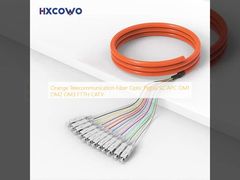
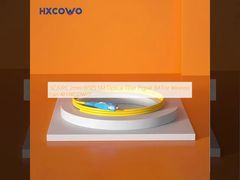
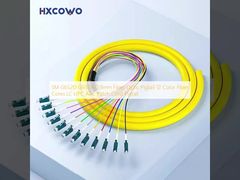
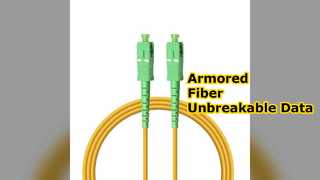
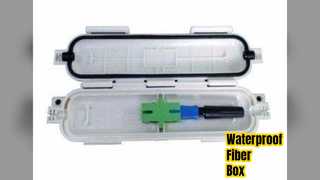
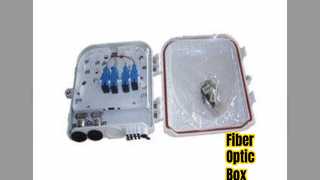
Brief: In this video, we provide a detailed walkthrough of the HXCOWO FTTN Fiber Pigtails with 12 cores. You'll see a demonstration of the various connector types (SC, LC, ST, FC) and polishing styles (UPC/APC) available for both multimode (50/125, 62.5/125) and singlemode fibers. Stay tuned as we highlight the most important features and real-use results, including performance metrics like low insertion loss and high return loss.
Related Product Features:
Available in 12 cores with various connector types including SC, LC, ST, and FC.
Features UPC and APC polishing styles for optimal performance in different applications.
Supports both multimode (50/125um, 62.5/125um) and singlemode (9/125um) fiber types.
Low insertion loss: ≤0.3dB for singlemode and ≤0.5dB for multimode configurations.
High return loss: ≥50dB for UPC singlemode and ≥60dB for APC singlemode.
Constructed with durable materials including PVC and LSZH for environmental safety.
Excellent mechanical performance with sustain tension ≥100N and durability of 1000 cycles.
Wide operating temperature range from -40°C to +80°C for reliable performance in various environments.
자주 묻는 질문:
What types of fiber cores are available for these pigtails?
The HXCOWO FTTN Fiber Pigtails are available with 9/125um (singlemode), 50/125um, and 62.5/125um (multimode) fiber cores to suit various network requirements.
What are the insertion loss specifications for these fiber pigtails?
For singlemode fibers, insertion loss is ≤0.3dB for PC, ≤0.2dB for UPC, and ≤0.18dB for APC. For multimode fibers, insertion loss is ≤0.5dB for PC and ≤0.3dB for both UPC and APC configurations.
What connector types and polishing styles are offered?
These 12-core fiber pigtails are available with SC, LC, ST, and FC connector types, and come in UPC and APC polishing styles to meet different network performance needs.
What is the operating temperature range and durability of these pigtails?
The fiber pigtails operate reliably in temperatures from -40°C to +80°C and are rated for 1000 plug-and-pull cycles, ensuring long-term performance in demanding environments.